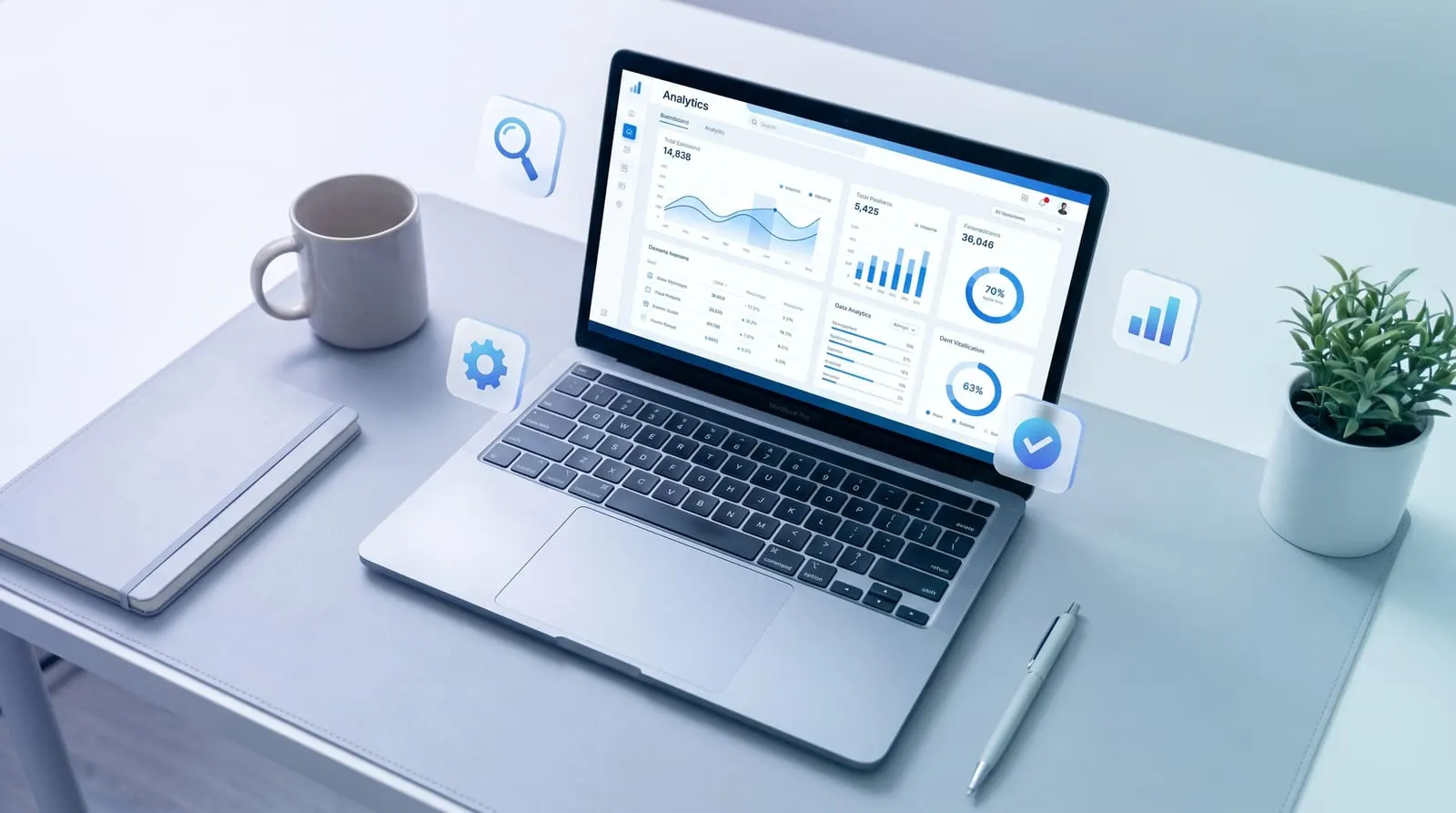
SEO is repetitive. Crawls, rank checks, schema validation, keyword tracking, AI citation monitoring — most of it can run without you. These guides break down what to automate, which tools actually work, and where human judgement still matters.
What SEO automation actually covers
Automation sits on three layers:
Discovery. Keyword research, competitive analysis, content gap identification. Tools pull the data; you decide what to target.
Monitoring. Rank tracking, technical audits, schema validation, Core Web Vitals, AI citation tracking. Runs continuously. Alerts you when something changes.
Execution. Content briefs, schema generation, internal link suggestions, outreach lists. The tool drafts, you review and ship.
The trap is treating automation as a replacement for strategy. It is not. It is a way to stop spending three hours a week on tasks that a script can do in three minutes.
Start here
Practical breakdowns of the tools and workflows that automate real SEO work.
Frequently asked
What is SEO automation?
SEO automation replaces repetitive manual SEO work (crawling, rank tracking, content analysis, schema generation, AI visibility monitoring) with tools that run continuously and surface what needs attention. The goal is not to remove judgement, it is to stop wasting it on data collection.
Can SEO be fully automated?
No. Strategy, brand voice, internal linking decisions, and outreach still require human judgement. Automation handles the mechanical layers: discovery, measurement, reporting, and flagging issues. The best setups automate the 80% that is mechanical so humans can focus on the 20% that moves the needle.
What is the difference between SEO automation and AI visibility?
Traditional SEO automation focuses on Google rankings, technical audits, and content production. AI visibility automation tracks whether ChatGPT, Perplexity, and Google AI Overviews cite your brand. Both matter in 2026, and they require different signals and tactics.
Do I need paid tools to automate SEO?
You can get surprisingly far with free tools (Google Search Console, Screaming Frog up to 500 URLs, Microsoft Clarity, Fokal's free tier). Paid tools help with scale, integration, and competitive data, not the fundamentals.